TEXTILES.ORG


Building a workforce pipeline

Employers in the trade industries are searching for ways to attract top talent, particularly those job seekers at the beginning of their careers. While finding the right candidates to fill marine fabricator roles can be challenging, it is possible.
Many high-school students are looking for alternative career options because of the rise of AI, as well as questioning if the cost of a traditional four-year college is still worth the return on investment.
An educator and fabricator’s perspective
Tom Stephan has been an educator for almost 25 years and currently teaches Advanced Placement world history in Tampa, Fla. At the beginning of his career, some of the students were taking electrical, masonry and carpentry classes. By the time they were seniors, they were building homes with Habitat for Humanity.
“Those kids were graduating high school with a marketable skill set,” Stephan says. “They didn’t have to go to college. These days, it seems the focus is on getting a college degree after high school. Most of these kids can’t graduate high school and enter the workforce earning a living wage.”
Stephan says that robotics clubs are great examples of what those interested in developing advanced textile programs could do to capture the interest of young people exploring career options. The students show up after school, work for hours and get involved in state- and national-level competitions.
“They get fired up. They will even work sleepless weekends to come up with the best robot for the competitions,” Stephan adds. “Students are motivated by the bragging rights that come with winning competitions.”
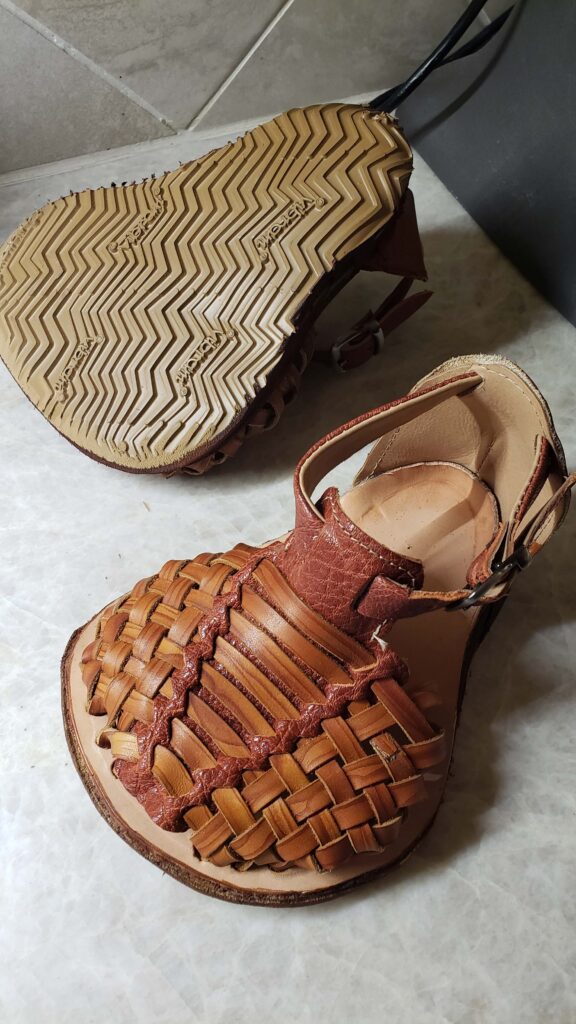
Stephan’s connection to the fabrication industry developed through a personal need. His youngest daughter, Laura, who is now 14, was born with ectrodactyly, a rare condition that causes fingers or toes to be malformed. For Laura, this affects her hands and feet, and it means she needs custom-made shoes.
At around $1,200 per pair of shoes, purchasing these — especially for a growing child — became unsustainable. Stephan started sewing around 10 years ago and learned how to make shoes by attending ShoeSchool in Port Townsend, Wash.
Since then, he’s made around 70 pairs of shoes for Laura. These days, it takes Stephan about 10 hours to make a pair of shoes.
In addition to making shoes, Stephan is a boater. Friends began asking him to stitch covers and repair pieces for their boats. He founded Shoo In LLC three years ago with the intention of building enough business to do fabrication full time one day.
Bridging the workforce gap
Judi Vigna is the CEO of Specialized Career Guidance LLC (SCG), a company that develops codesigned workforce pipeline models between employers and educators. Vigna created SCG Accelerator System™ Solutions, a comprehensive workforce pipeline system that makes career options visible and attainable to students.
“Young people cannot want something they don’t know exists,” Vigna says. “And educators can’t know that either. The real gift of igniting career passion while young people are in high school is that they trust their educators to help guide them, along with helping them through the onboarding process.”
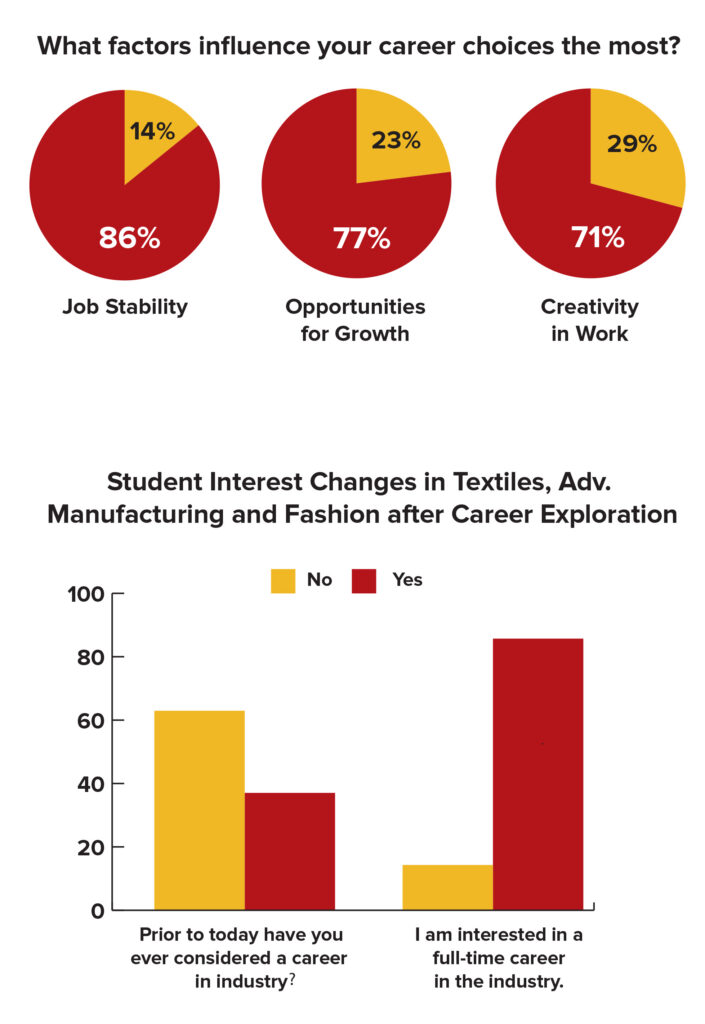
the survey respondents are B.M.C. Durfee High School students in the Advanced Textile & Fashion Design workforce pipeline pilot program.
Vigna recognizes that educators bring the perspective of what a young person needs to be successful, and employers face a talent workforce shortage. With the SCG system, employers find out how eager the schools are to help them build the bridge, and at the same time, educators gain exposure to employer needs.
When it comes to manufacturers, the initial thought often is that they need production workers.
“Manufacturers are looking for multiple types of positions. They’re not only fulfilling production as a career pathway, but there are additional roles like marketing, back of the office and facilities management,” Vigna says.
SCG worked with B.M.C. Durfee High School in Fall River, Mass., to help the school create an Advanced Textile & Fashion Design workforce pipeline pilot program. Vigna found that of the 40 students who went on tours with their employer partners during the career-exploration stage, 26 applied for the 10 available spots in the program.
Those students took part in the program’s paid, work-based experience and learned design, production and sustainability skills.
The benefits of working in a marine trade
Located in St. Petersburg, Fla., The Yacht Rigger is a full-service rigging company, offering service, retail and wholesale, as well as the production and distribution of commercial rigging equipment. CEO Stephen Lloyd connects with youth in his community to share career opportunities the marine industry offers.
Lloyd goes to a couple of area high schools each year for the schools’ annual Great American Teach-In events, held during American Education Week. He talks to the kids about the marine trade and how they can become involved.
“I tell them, ‘Sure you’re concerned about AI. But AI is not going to steal this job. This line of work involves crawling around the boat, figuring out what’s broken and fixing it,’” Lloyd says. “We’re not sitting behind a desk, for sure.”
The Yacht Rigger partners with SailFuture Academy in St. Petersburg, a tuition-free entrepreneurship high school serving high-risk teens in foster care.
“They have an internship program we participate in where they send us a student to spend three days a week with us for an entire semester. These kids are already somewhat up to speed,” Lloyd says. “We have one student who is now doing a full year with us.”
Lloyd says that so many of these kids have been sold the American dream of going to college and walking out making $75,000 to $100,000 a year. But the reality is that may not happen, and they also could carry college debt.
“Or they can come into a program like ours,” Lloyd says. “It will take several years of making a little more than minimum wage, but they’re not going into college debt and are benefitting from learning a trade and getting a paid education. The national average pay for this type of work is in the $28 to $45 per hour range.”
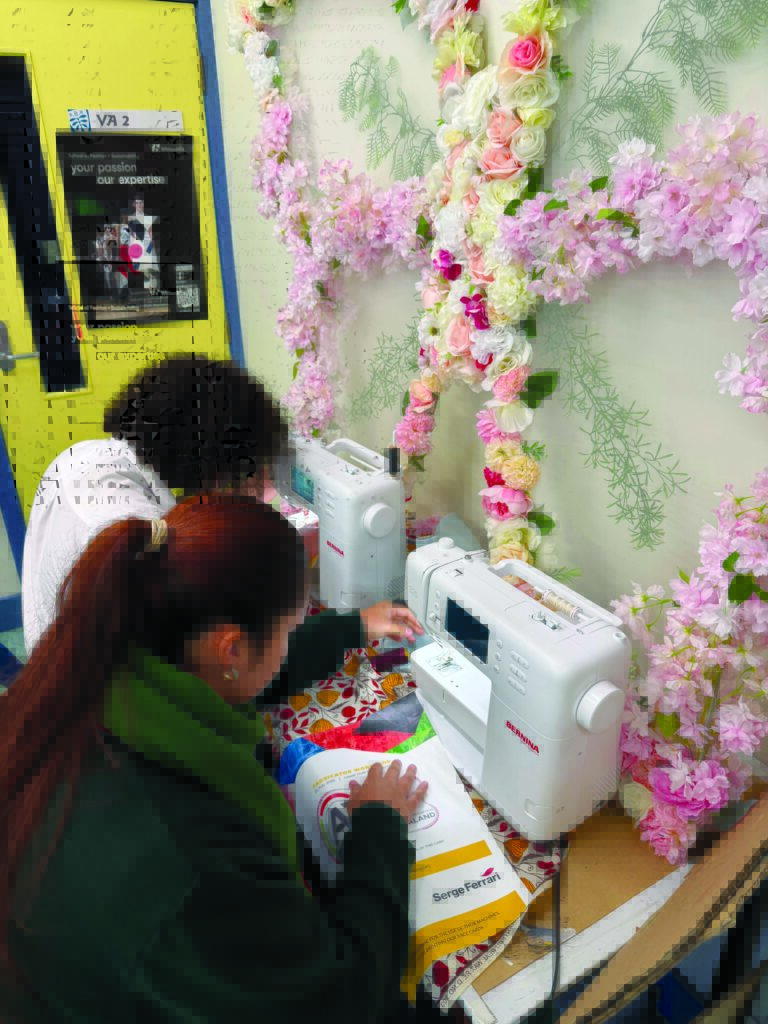
His dream is to have a student come in who can spend three years and really learn it, then start a branch of their own.
“I would say it takes a unique person to be in the marine trade,” Lloyd says. “They have to have a passion for boats and not be someone who’s just in it for the paycheck. We’re trying to open the door, cast a wide net and get those in who will really thrive and enjoy the environment.”
The work the interns perform at The Yacht Rigger primarily includes rigging; marine rigging, which is specific to sailboats; marine hardware installation; metal fabrication; and electrical and electronics installs.
Real work experience leads to career pathways
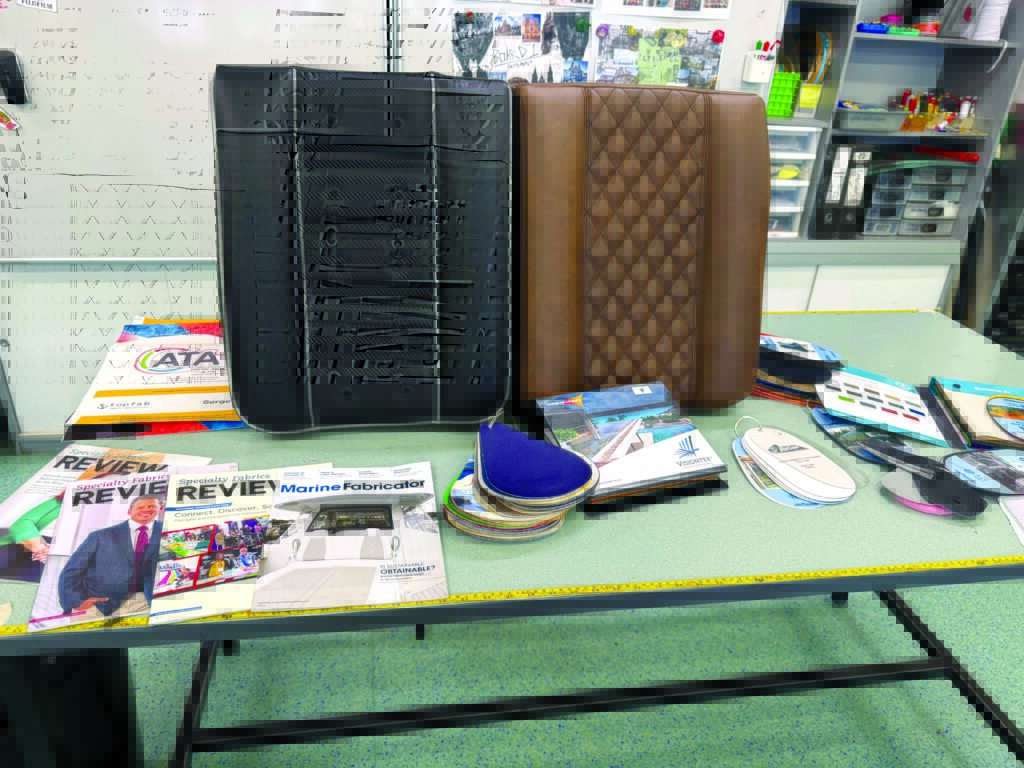
Photo: Amanda Newport
Amanda Newport, executive officer, Advanced Textiles Association New Zealand, works closely with MAST Academy New Zealand, a training organization for learners and employers. MAST Academy’s Pathways Consultants go into high schools and teach students about career pathways.
“The Pathways Consultants give interactive presentations to students in their last few years of high school, which tend to include props and quizzes,” Newport says. “They have also brought in fabric samples for the students to match a picture of a project with the type of fabric that would be used for that project.”
Newport adds that the idea for these presentations is to gauge students’ interest in the industry, then MAST Academy will try to match them with employers. In New Zealand, students who meet certain criteria can leave school for a day to do work experience with an employer. They also are given unit standards to complete, which can count toward apprenticeships.
“The ideal outcome is that the employer will offer the student an apprenticeship, and they’ll get their full qualifications to work in the industry,” Newport explains.
Logan Miller was a high school student in Hastings, New Zealand, a decade ago when he started working at Hawke’s Bay Trim & Canvas Limited. He later earned his Level 3 New Zealand Certificate in Industrial Textile Fabrication and Trimming, completed through workplace-based training during an apprenticeship.
He is now a full-time employee at Hawke’s Bay. Through MAST Academy, Miller currently is working on earning Level 4 certification, which requires advanced knowledge of high-level production fabrication and installation.
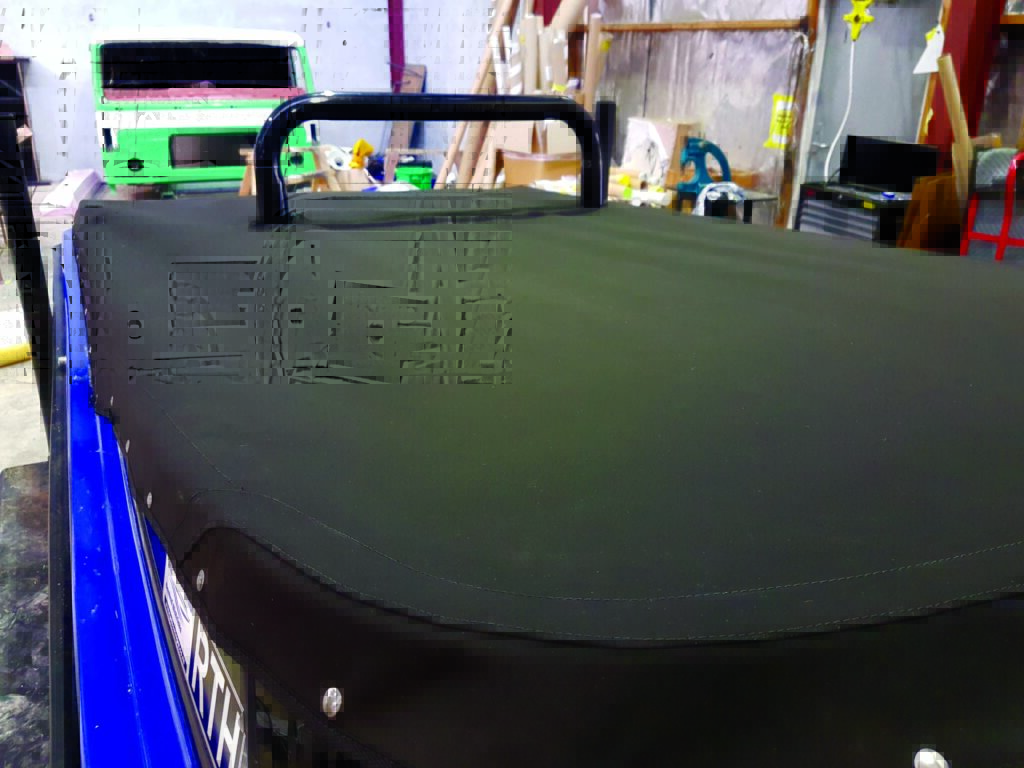
“What interested me about the canvas fabrication industry was the variety of work I saw my bosses completing, that they had fabricated and produced for customers,” Miller says.
Miller shares that he thinks high-school students would be attracted to working in this industry because it is a unique trade that involves hands-on fabrication and creative problem-solving that differs with each task.
Partnering with area schools and employers
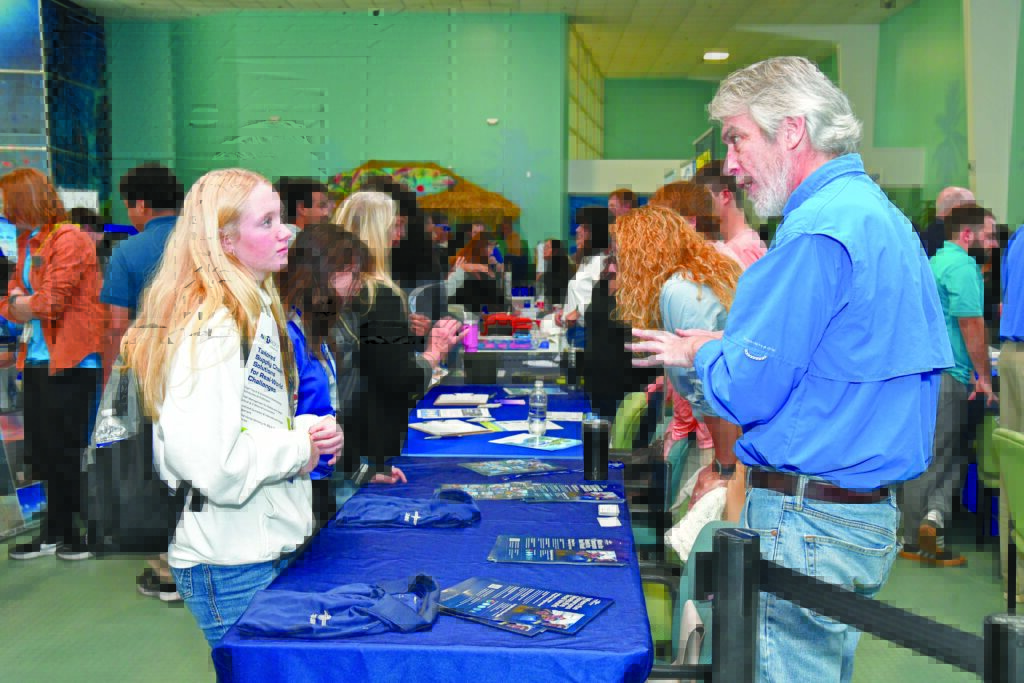
Port Tampa Bay, Florida’s largest seaport by acreage, tonnage and cargo throughput, is a major economic engine based in Tampa, Fla., supporting 192,000 jobs. Port Tampa Bay works closely with the Propeller Club – Port of Tampa — a member-based organization that connects associations and individuals in the maritime industry — to recruit and support young people interested in careers in the industry.
Ashley O’Brien, project manager, engineering, Port Tampa Bay, voluntarily leads the Propeller Club – Port of Tampa’s Maritime Education Committee as president.
“The committee raises money for the Tampa Bay Maritime Scholarship Foundation by hosting golf outings, fishing tournaments and a black-tie ball,” O’Brien says.
The committee works closely with local school districts to support maritime education and networking opportunities, port tours and a summer shadow program. Port Tampa Bay also provides a Maritime Education Guide for students.
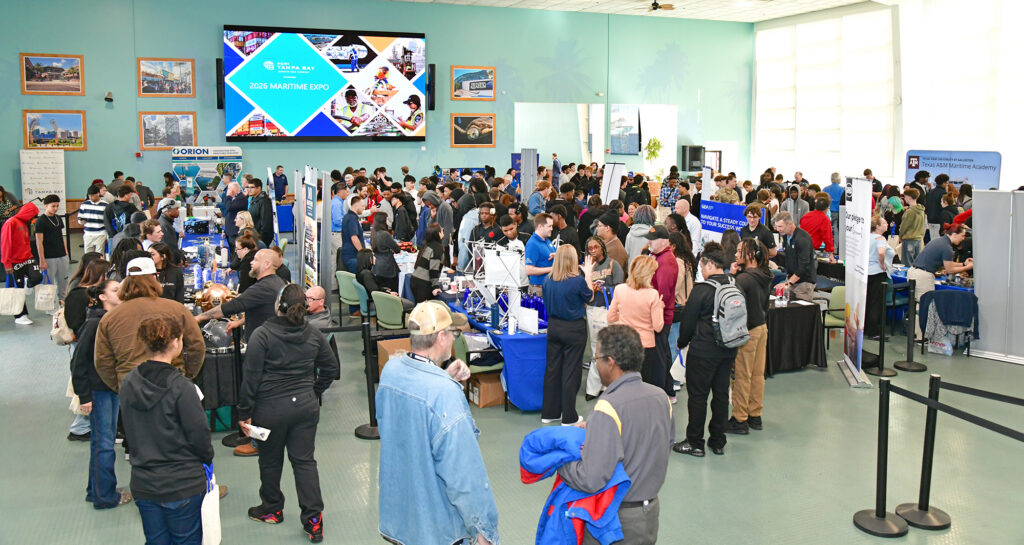
Port Tampa Bay and the Propeller Club held their first annual Maritime Expo in January 2026 at the port, which O’Brien helped organize.
“We initially hoped 100 students would attend, but nearly 600 students attended,” O’Brien says. “And we had more than 40 local shipping and shoreside companies attend. It is a career fair for high-school and college students who are looking for their next step in their professional and educational careers. We received a lot of great feedback.”
Port Tampa Bay also helps students explore recreational boating careers through small businesses within the port that do repair jobs for boat lifts and employ mechanics. The organization also connects students with Freedom Boat Club, the world’s largest boat club, to gain hands-on experience as deckhands.
How to attract young people to the fabrication industry

Stephan suggests creating “fabricator clubs,” similar to robotics clubs, with a competition component to attract students to the industry.
Vigna says marine fabricators who want to attract young people to the industry should start by building stronger relationships with educators. Partner with a local school district to invite teachers, counselors and administrators to your business, where they can learn more about the industry and its career opportunities.
“Prepare a thoughtful agenda that gives them an overview of the industry, explains entry-level positions, outlines career progression and advancement, highlights the training you provide or recommend through industry-recognized credentials, and is transparent about wages and benefits,” she says. “Then be strategic about engagement: invite educators into your business, show genuine interest in visiting their schools and create an opportunity to co-design one activity that increases career awareness, career exploration or work-based learning. Start with one practical partnership and build from there.”
Steph Donovan is a writer and the owner of In the Word Biz LLC. She is based in Kent, Ohio.
Resources: Marine Trades School Directory
In 2025, the nonprofit American Boating & Yacht Council (ABYC) launched a marine-industry-specific directory to assist those interested in marine-industry educational programs, which can be found at abycinc.org.
Schools interested in being added to the list can fill out ABYC’s school survey, which is linked to the directory.